
 Google Scholar
Global Localiser for Automated Guided Vehicles (AGV)
Published:
📬 Key Features
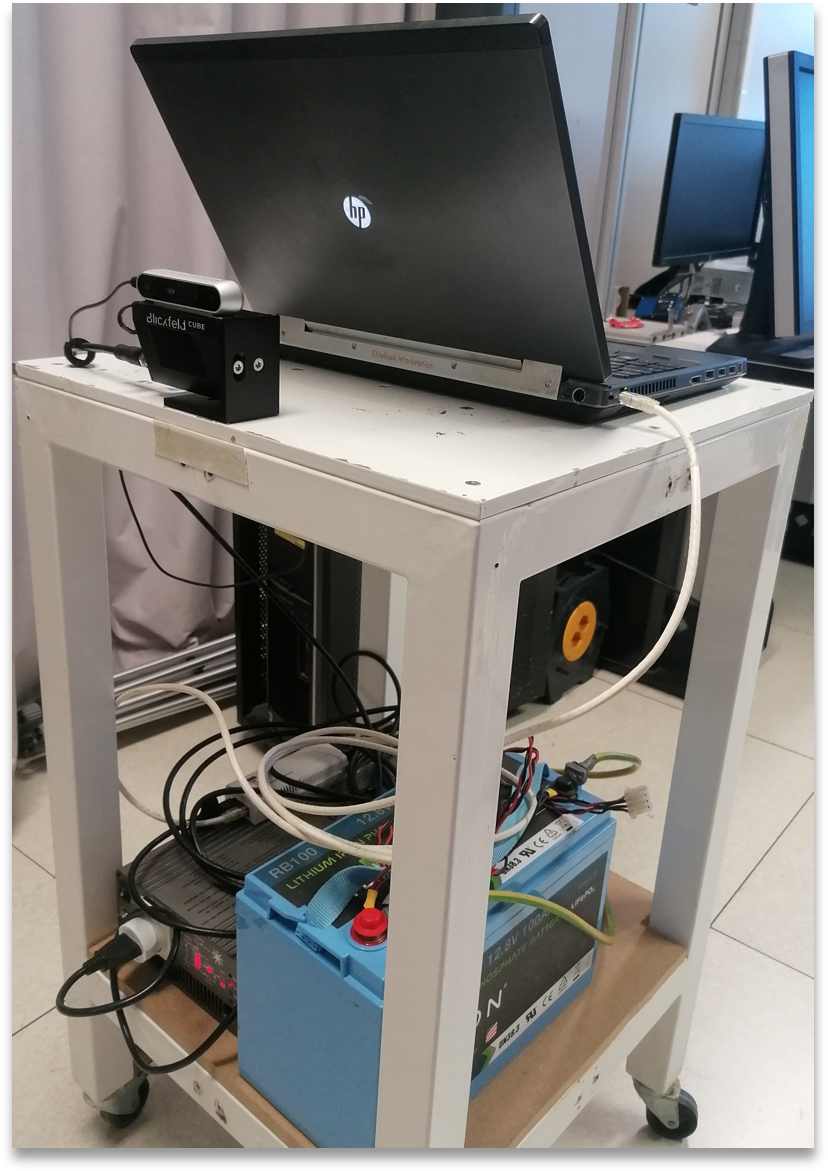
🛠️ Hardware
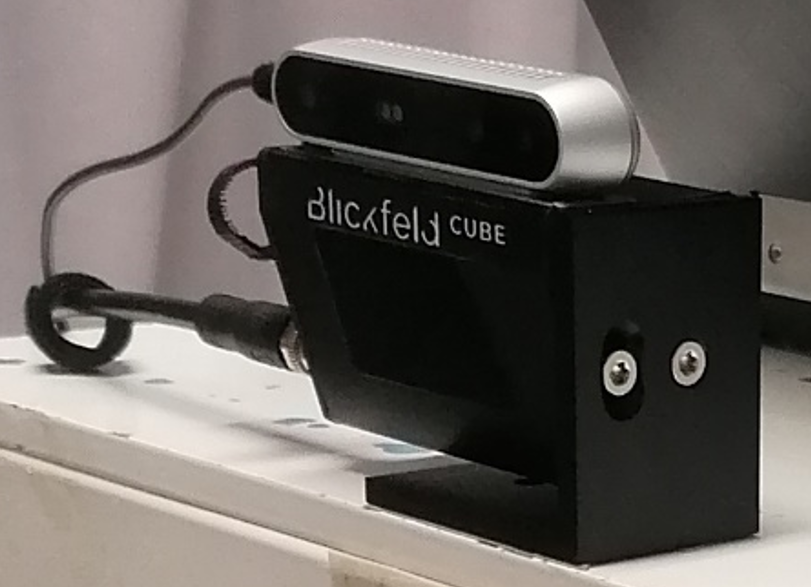
- Depth Camera: Intel RealSense D415
- LiDAR: Blickfeld Cube 1
🧠 Scenario Study & System Setup
A custom setup was designed and implemented to synchronize a LiDAR and a Depth camera, operating in free-run mode, using Python's `threading` library.🎥 Data Acquisition
The system collects:- RGB Images from the depth camera.
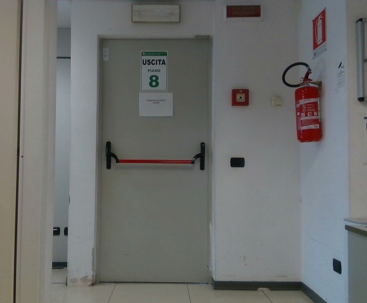
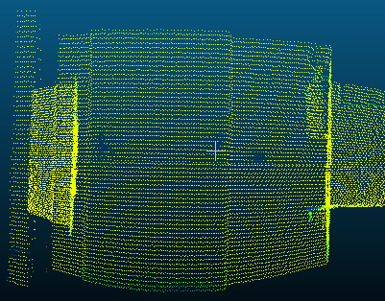
- 3D Point Clouds from the LiDAR.
🔍 KL Divergence Results
The analysis was performed by comparing point cloud regions corresponding to different acquisition timestamps. For each comparison, the Kullback-Leibler (KL) divergence was computed to quantify the dissimilarity between distributions of two frames. The goal was to identify which frame pairs showed the greatest similarity (i.e., lowest KL divergence), helping determine the most probable match or alignment between the camera and LiDAR acquisitions.| Frame | Comparison | KL Divergence |
|---|---|---|
| Frame_1 | vs Frame_1 at t+1 | 0.0192 |
| vs Frame_2 | 0.0486 | |
| vs Frame_3 | 0.1486 | |
| Frame_2 | vs Frame_1 | 0.0862 |
| vs Frame_2 at t+1 | 0.0510 | |
| vs Frame_3 | 0.1824 | |
| Frame_3 | vs Frame_1 | 0.1423 |
| vs Frame_2 | 0.1342 | |
| vs Frame_3 at t+1 | 0.0185 |